Early Intervention
Can Braces Be Avoided?
No honest clinician can promise that. What early, airway-focused care can do is support healthy jaw growth while your child is still growing, and that may reduce the need for more complex orthodontic treatment later. The starting point is understanding why crowding develops in the first place.
At Dr. Phillip Stein's dental practice, 70% of his children's early intervention orthodontic cases do not require any further orthodontic intervention. All the hard work has been done.

Why Crowding Develops
Rather than asking "how can we straighten the teeth?", we ask "why isn't there enough space for the teeth in the first place?"
Crowding is a space problem
Permanent teeth are much larger than baby teeth. When jaw growth does not keep pace with tooth size, the teeth compete for the limited space available, and crowding becomes more likely.
Breathing shapes the jaws
During healthy nasal breathing, the tongue rests against the roof of the mouth and helps guide the upper jaw to grow wide. Mouth breathing drops the tongue low, and the palate can become high and narrow.
Timing matters most
Between roughly ages three and twelve, the jaws are growing rapidly and remain responsive to gentle forces. Once growth is complete, creating space is much harder and often needs comprehensive orthodontics.
Supporting healthy development early may help create more space naturally before crowding becomes severe: encouraging nasal breathing, improving tongue posture, addressing oral habits and guiding jaw development during childhood. Whether that's right for your child, and when, is Dr. Phillip Stein's call after reviewing your child's assessment.
Does your child's smile look like one of these?
These are some of the patterns parents spot first. If one looks familiar, the free photo assessment is the easiest way to have it looked at properly.
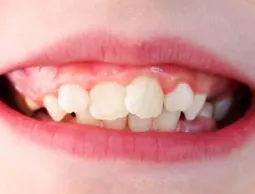
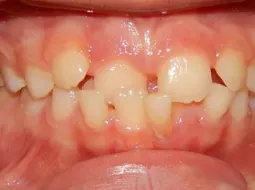
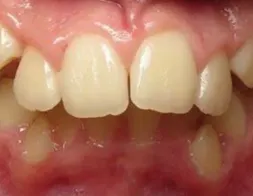
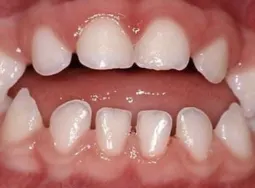
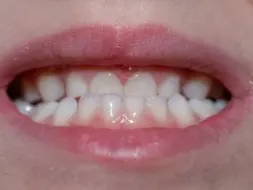
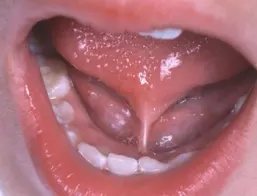
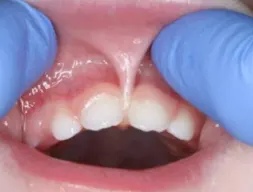
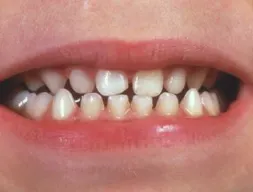
Clinical example photos of common presentations, shown for recognition only, not diagnosis.
The earlier you look, the more options you have.
Start the free assessmentThis page is general information, not a diagnosis, and no outcome can be guaranteed for any individual child. Every child is different, which is exactly why the assessment exists.